Your Trusted Certified Inspector for Your Next Home Inspection
Home Inspection Revealed a Problem? 7 Smart Ways to Negotiate Repairs (Without Killing the Deal)
The inspection report just landed in your inbox, and your stomach drops. That beautiful home you fell in love with in West Central Ohio now comes with a laundry list of issues: outdated electrical panels, a roof showing its age, or maybe foundation concerns that weren't visible during your walkthrough. Now what?
Here's the reality: nearly every home inspection uncovers problems.
The question isn't whether issues exist: it's how you navigate the negotiation without torching the deal or leaving money on the table. As a trusted home inspection professional, I've watched hundreds of transactions either strengthen or unravel during this critical phase. The difference? Strategic, informed negotiation.
This is your moment to advocate for yourself while maintaining the relationship that gets you to closing. Let's break down seven smart strategies that protect your investment without creating unnecessary friction.
1. Target Major Safety and Structural Issues First
Not all inspection findings deserve equal attention. Prioritize items that threaten safety, habitability, or represent significant financial exposure: active water leaks, electrical hazards, structural deficiencies, plumbing failures, and HVAC systems nearing end of life.
Minor cosmetic defects? Let them go. That chipped tile in the guest bathroom or the scratched countertop won't derail your quality of life or require immediate capital deployment. When you focus your negotiation energy on genuine risks rather than every imperfection listed in a thorough inspection report, sellers recognize you as reasonable. That goodwill translates into better outcomes.
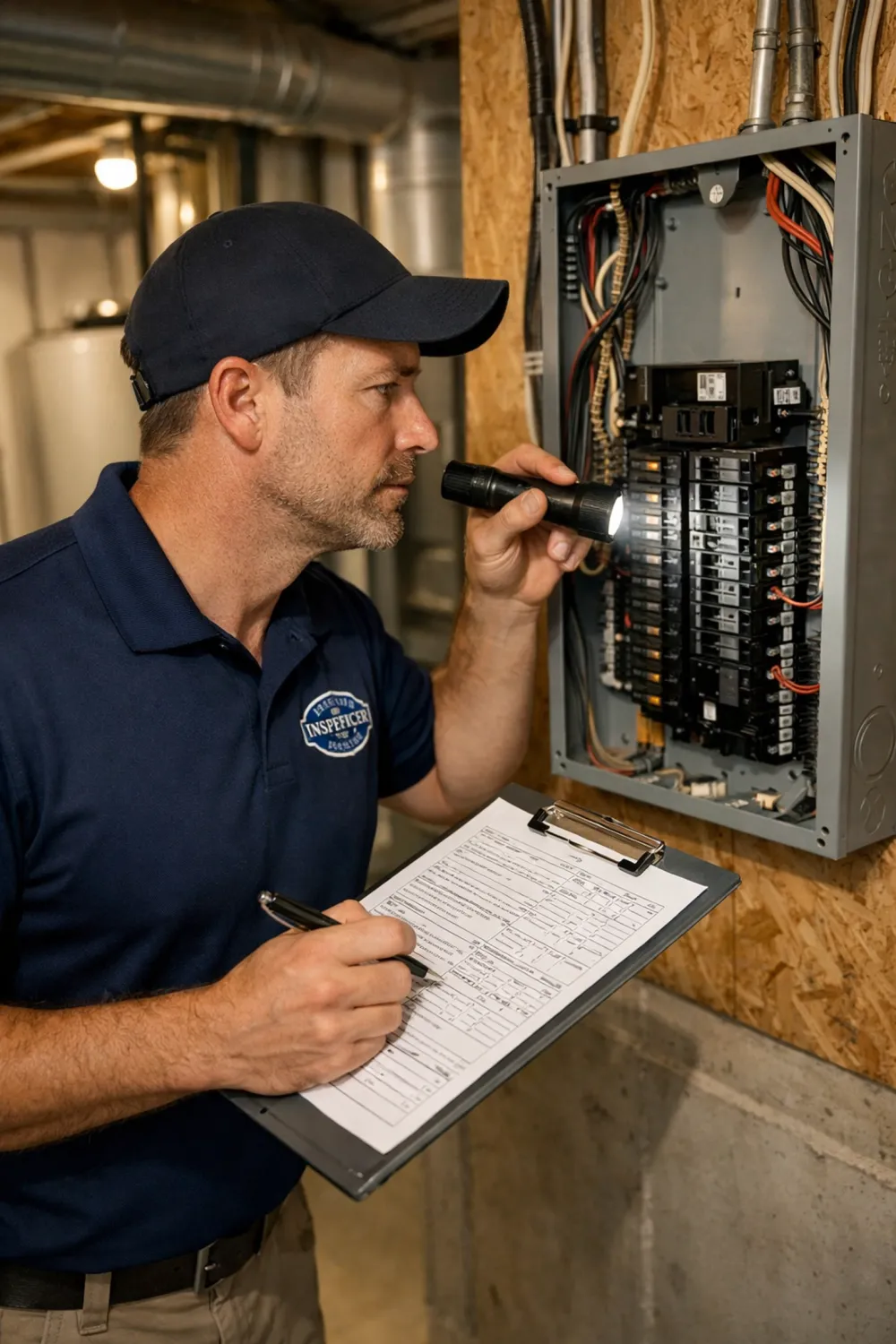
Frame it this way: you're addressing documented safety concerns and major system failures, not nickel-and-diming over aesthetic preferences. This approach signals maturity and keeps negotiations productive.
2. Deploy the "Repair Threshold" Strategy
Establish a clear dollar threshold: typically $500 to $1,000: and only request remediation for items exceeding that amount. This creates a rational framework that prevents negotiations from bogging down over minor defects that every home carries.
Here's why this works: sellers appreciate clearly defined parameters. When you communicate upfront that you're focused on repairs above a reasonable threshold, you demonstrate that you understand the realities of homeownership. No property is perfect, and acknowledging that reality reinforces your credibility.
This strategy also prevents the inspection from becoming a weapon to renegotiate the entire deal. Respect breeds cooperation: and cooperation gets deals closed.
3. Document Everything With Precision
Vague repair requests create confusion, resistance, and delays. Instead, anchor every request to specific findings from your inspection report, complete with page references, photographs, and contractor estimates when possible.
Compare these approaches:
Weak: "Fix the water issues"
Strong: "Address the active water intrusion at the rear southeast window documented on page 14, paragraph 3 of the inspection report dated February 9, 2026"
The second version is actionable, specific, and impossible to misinterpret. It also demonstrates that you've done your homework and taken the inspection seriously.

When requesting repairs, attach supporting documentation: photos from the inspection, repair estimates from licensed contractors, or manufacturer specifications for replacement systems. Sellers may genuinely not know about hidden defects, especially those concealed behind walls or beneath floors. Documentation transforms the conversation from accusation to education.
4. Understand Your Resolution Options
Don't default to repair requests without considering alternatives. You have three primary paths forward:
Seller completes repairs before closing
Seller provides a credit toward closing costs
Purchase price is reduced
Each carries distinct advantages. Credits often prove most effective because they give you control over contractor selection, timing, and quality standards. When sellers rush repairs to meet closing deadlines, quality frequently suffers: and you inherit substandard work.
Price reductions work beautifully when you have renovation capital ready to deploy and want complete control over the process. This approach also avoids the complexity of verifying repair quality before closing.
For major systems like HVAC or roofing, sometimes the smartest move is requesting the seller contribute toward replacement rather than demanding a Band-Aid repair that delays the inevitable by six months.
5. Frame Requests With Respect, Not Demands
Your negotiation tone matters as much as your requests. Many sellers have lived with defects for years without realizing they posed problems. Approaching this conversation as mutual problem-solving rather than confrontation preserves the relationship and keeps emotions in check.

Consider opening with: "The inspection revealed some items we need to address together to move forward confidently. Let's discuss the best path forward for everyone involved."
This framing acknowledges the seller's position while asserting your legitimate concerns. Gratitude and professionalism disarm defensiveness: and defensive sellers rarely make concessions.
6. Adapt Your Approach to the Seller Profile
Strategy shifts based on who's selling. If you're buying from a builder or flipper, repair requests often work smoothly because they have contractor relationships and resources to deploy quickly. These professionals understand inspection negotiations as standard business practice.
For owner-occupied homes: especially those where sellers have lived for decades: flexibility matters more. Many homeowners lack contractor networks or capital to fund major repairs on short notice. Start with repair requests, but be prepared to pivot to credits or price reductions based on the seller's realistic capacity.
Understanding the human element creates win-win solutions. A retired couple selling their longtime home may genuinely struggle to coordinate roof repairs, but they can adjust the price to reflect that responsibility transferring to you.
7. Lean on Your Real Estate Agent's Expertise
Your agent translates inspection findings into negotiation strategies aligned with current market conditions in West Central Ohio. They've navigated hundreds of these conversations and understand what's reasonable to request in your specific market.
Once you've clearly communicated your priorities: safety issues, major systems, structural concerns: let your agent handle the detailed back-and-forth. They'll keep emotions out of the equation, maintain productive communication with the listing agent, and help determine which repairs the seller should handle versus which become your responsibility.
Your agent also knows when to push and when to compromise based on deal dynamics, comparable sales, and how long the property's been on market.
Building Confidence Through Professional Inspection
These negotiation strategies only work when you start with a comprehensive, professionally conducted inspection. A thorough evaluation from an experienced inspector provides the documented foundation your entire negotiation stands on.
At Rose's Home Services LLC, we conduct detailed inspections that help West Central Ohio buyers and sellers understand exactly what they're dealing with: no surprises, no ambiguity. Our reports clearly distinguish between critical safety issues, maintenance items, and minor cosmetic concerns, giving you the clarity needed to negotiate effectively.

When you enter negotiations armed with a professional inspection report, you're not guessing: you're operating from documented evidence. That confidence transforms how you approach the conversation.
The Bottom Line: Protection Without Destruction
Smart repair negotiation protects your investment without destroying the deal. Focus on documented safety and functionality issues. Establish clear thresholds. Provide specific, well-documented requests. Consider all resolution options. Maintain respectful communication. Adapt to the seller's situation. And leverage your agent's expertise.
This isn't about winning: it's about reaching a fair outcome that allows both parties to move forward with confidence. The homes we fall in love with rarely come perfect. What matters is addressing legitimate concerns while preserving the relationship that gets you to closing.
Ready to move forward with confidence in your West Central Ohio real estate transaction? A professional home inspection is your first step toward informed negotiation. Schedule your inspection with Rose's Home Services LLC and get the detailed documentation you need to negotiate effectively( without killing the deal.)
Rose's Home Services, LLC
Menu
Home
